
AhlulBayt News Agency: Iranian Foreign Minister Hossein Amir Abdollahian said that the change of governments within the Zionist regime has failed to alleviate Israel's serious security and social problems, and dismissed the normalization of ties between a number of Arab states and Tel Aviv as worthless.
Amir Abdollahian made the remarks during a meeting with a number of high-ranking officials and representatives from Palestinian resistance groups in Damascus on Saturday night.
“Palestine and Al-Quds City are the principal issues of the Muslim world. Palestine will remain the foremost issue of Muslims until a Palestinian state is formed within its historical boundaries, with Al-Quds as its capital,” he stated.
“The United States and its allies have unveiled various plans one after another for many years, namely the Oslo Accords, the Greater Middle East, the [so-called] Deal of the Century, and the Abraham Accords. The Palestinian nation and resistance forces have, however, managed to thwart all those plots through exemplary unity, resilience and perseverance,” the chief Iranian diplomat pointed out.
The foreign minister added that the 11-day Operation Sword of Al-Quds between the Gaza-based Palestinian resistance groups and the Israeli military in May 2021 proved that Axis of Resistance and Palestine are alive.
“Even the World Cup [in Qatar] showed that Palestine is alive, and the normalization of Arab-Israeli relations is worthless,” the senior official continued.
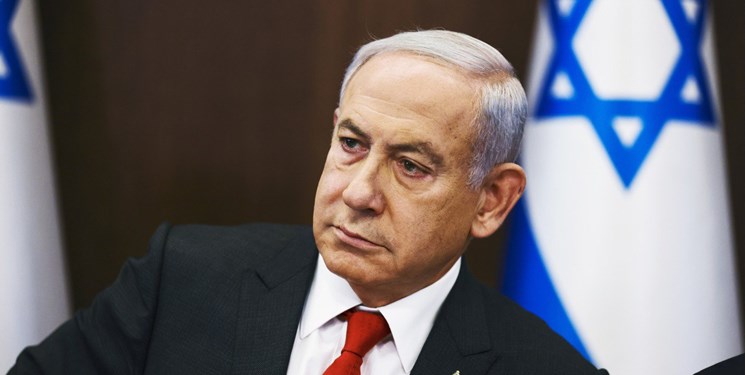
The Iranian minister also pointed to Israel's newly formed far-right cabinet headed by Benjamin Netanyahu as prime minister, stating that the change of names and faces doesn’t make any difference in the regime’s policies as its officials are all radical in nature and responsible for the ongoing problems and boiling security and social crises across the occupied territories.
“Of course, we have witnessed greater cohesion between resistance forces and the Palestinian nation anytime that extremists ascended to power [in occupied territories],” Amir Abdollahian noted.
Netanyahu has stated an end to the “Arab-Israeli conflict” would be his top priority, as well as stopping Iran’s nuclear programme and building up Israel’s military capacity.
Iranian Foreign Ministry Spokesman Nasser Kana'ani has downplayed Netanyahu's rhetoric against Tehran, and advised the Zionist regime to note its own domestic problems in political and economic fields.
Referring to the Netanyahu's rhetoric, Kana'ani called on the authorities of the Tel Aviv regime to pay attention to the fragile state of their new government and their unstable economy.
"They know that Tehran will respond to any of their actions and threats, and they think seriously about its consequences. Iran's point of view is quite clear," the diplomat emphasized.
Back in 2020, the United Arab Emirates (UAE) and Bahrain signed United States-brokered agreements with Israel to normalize their ties with the TelAviv regime. Some other regional states, namely Sudan and Morocco, followed suit soon afterward.
Palestinian officials censured the deal between the Arab countries and Israel to establish normal diplomatic relations, describing the agreement as a “treacherous stab in the back of the Palestinian nation”.
The international community has strongly condemned the latest Israeli brutal raids in the Gaza Strip, voicing its deep concern over the latest rounds of violence by the Tel Aviv regime against Palestinians in the besieged coastal enclave.
Iran describes Israel as the root cause of the region’s instability, but also stresses Israel's US-supported barbarity will not change the inevitable fate of the Tel Aviv regime.
/129